
MADAD Study State Dissemination — Ranchi, Jharkhand (21 April 2026)
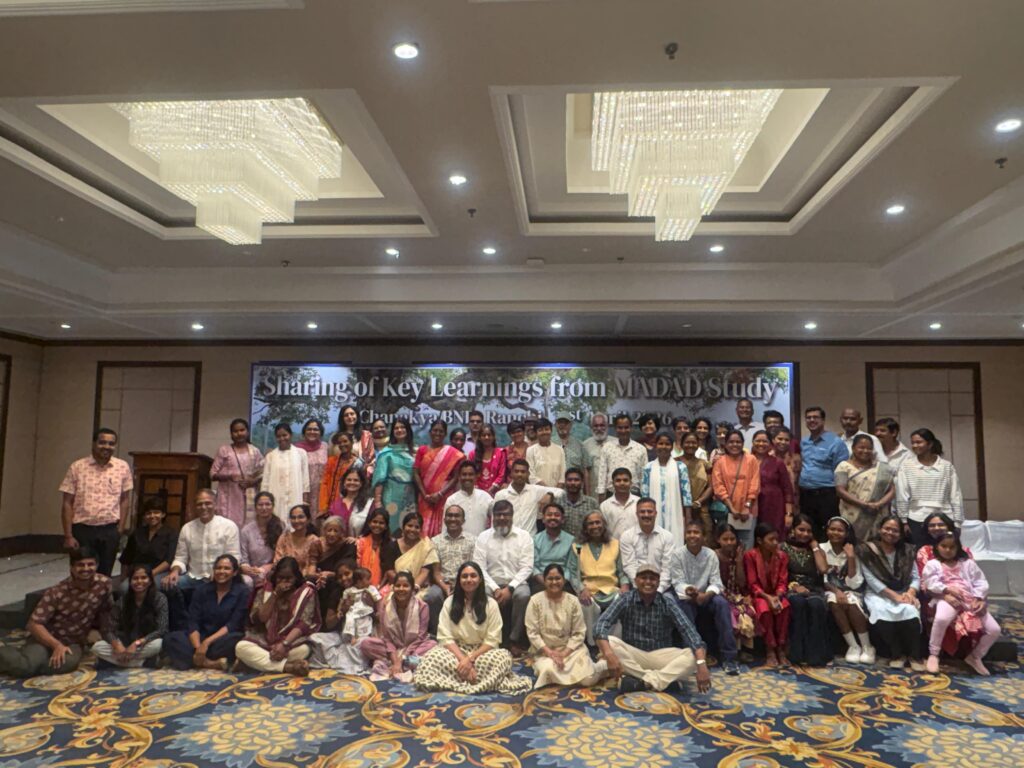
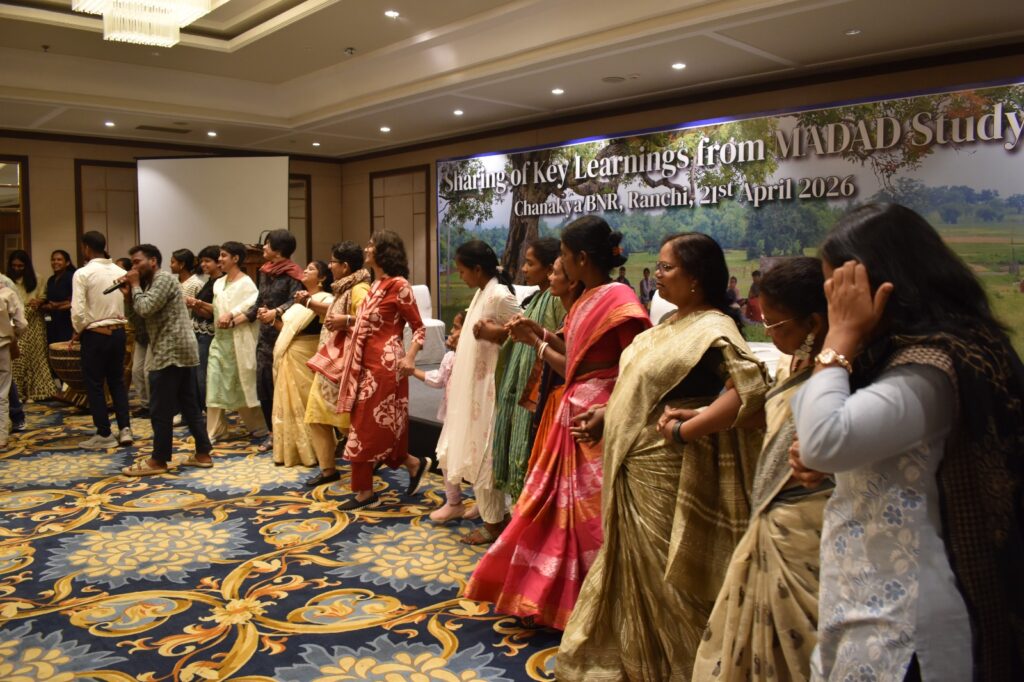
On 21 April 2026 we hosted a state-level dissemination of the MADAD (Mobilising Adolescents for Depression and Anxiety Disorders) a community mental health research study in Ranchi, Jharkhand. The event brought together young people, caregivers, facilitators, Mental Health Professionals,CBOs and key system-level stakeholders to share findings, reflect on practice, and plan next steps for adolescent mental health in the state. The event marked a significant step in translating research into real-world action for adolescent mental health in India.
This collaborative study involved University College London, the London School of Hygiene & Tropical Medicine, King’s College London, Ekjut and Sangath India (Goa). The research demonstrates that culturally adapted, community-led interventions can be both feasible and effective, particularly for adolescents in ‘Ho’ and other Adivasi communities.
Key findings
- Standard screening tools such as Patient Health Questionnaire-9 Adolescnets(PHQ-9A) and Generalised Anxiety Disorders(GAD-7) can be used in Adivasi contexts after careful cultural adaptation and validation to screen for symptoms of Depression and Anxiety in community settings.
- EASE(Early Adolescents Skills for Emotions) manual an evidence based group psychological sessions developed by World Health Organization(WHO)proved useful in helping adolescents build psychological skills based on Cognitive Behavioural Therapy(CBT) including emotional regulation, stress management, behavioral activation, and problem-solving.
- Impact: Measurable reductions in symptoms of Depression and Anxiety were observed in 110 out of 140 participants.
What made the work effective
- Improved relationships and listening by caregivers who provide consistent emotional support.
- Facilitators creating safe spaces where adolescents can speak openly.
- Peer support models where young people support one another.
As one of the event’s memorable framings, Padmashree Mukund Nayak described MADAD as an “Akhada” — a community space that fosters solidarity and collective care.
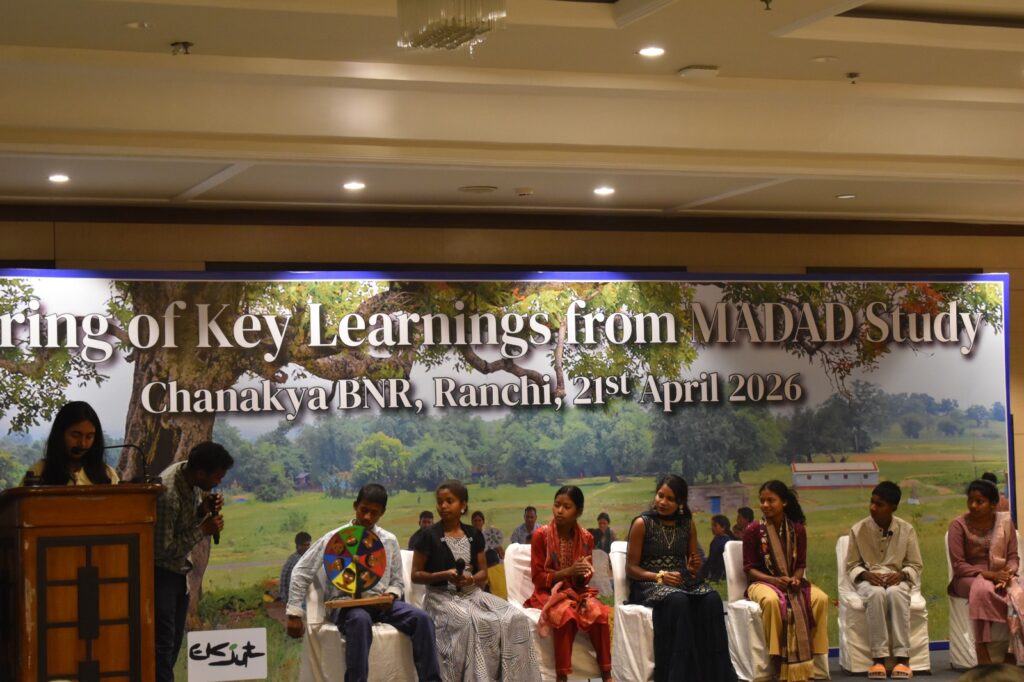
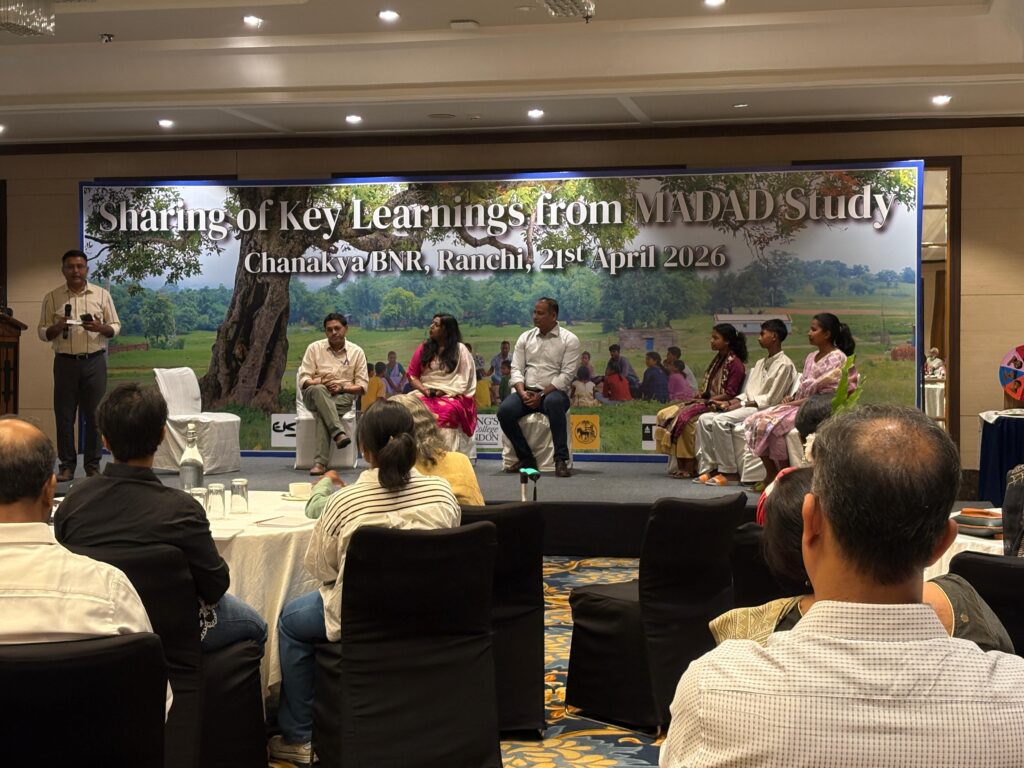
Experts’ voices across domains of expertise further enriched the discussions in the panel-
- Dr. Prachi Sharda,a former consultant with WHO for Adoelscnets Mental Health shared about concerns with digital tools and mental health
- Dr. Varun Mehta, Psychiatrist & Professor, Central Institute of Psychiatry, Ranchi talked about bridging the care gap through an accessible community mental health approach for comprehensive care.
- Abhijeet Barse, CEO, Slum Soccer emphasized on sports and mental health giving an intersectional stand point dismantling gender stereotypes and a potential opportunity of wellbeing for all.
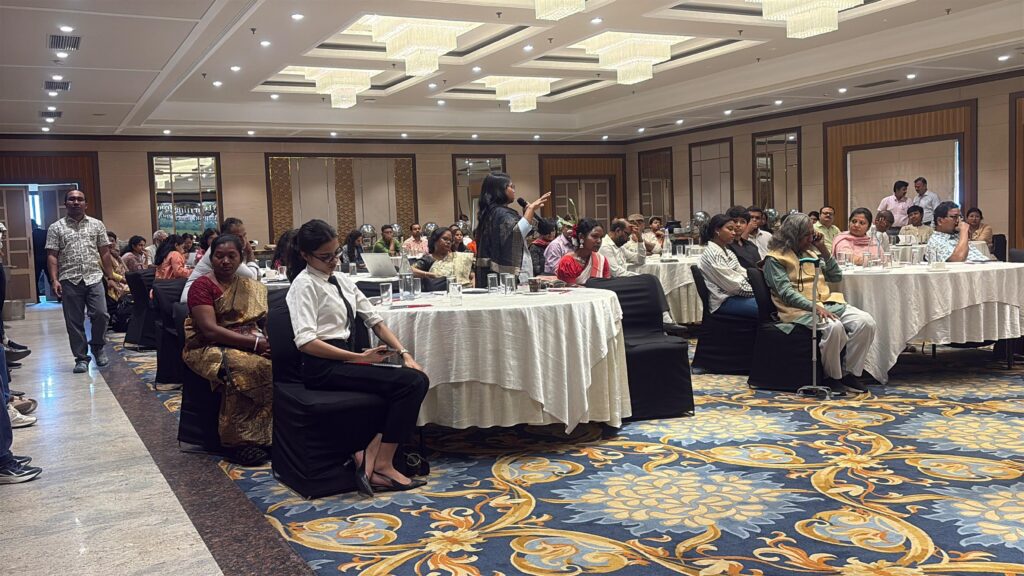
The dissemination also surfaced important questions about the balance between digital tools and human connection, and the role of sports, culture, and community spaces in promoting mental wellbeing.
The Path Forward:
- Community-based, non-specialist models that expand access where specialists are scarce.
- Stronger referral systems linking community programs with clinical care.
- Integration of families and peer networks into prevention and recovery pathways.
- Centering young people’s lived experiences in program design and evaluation.
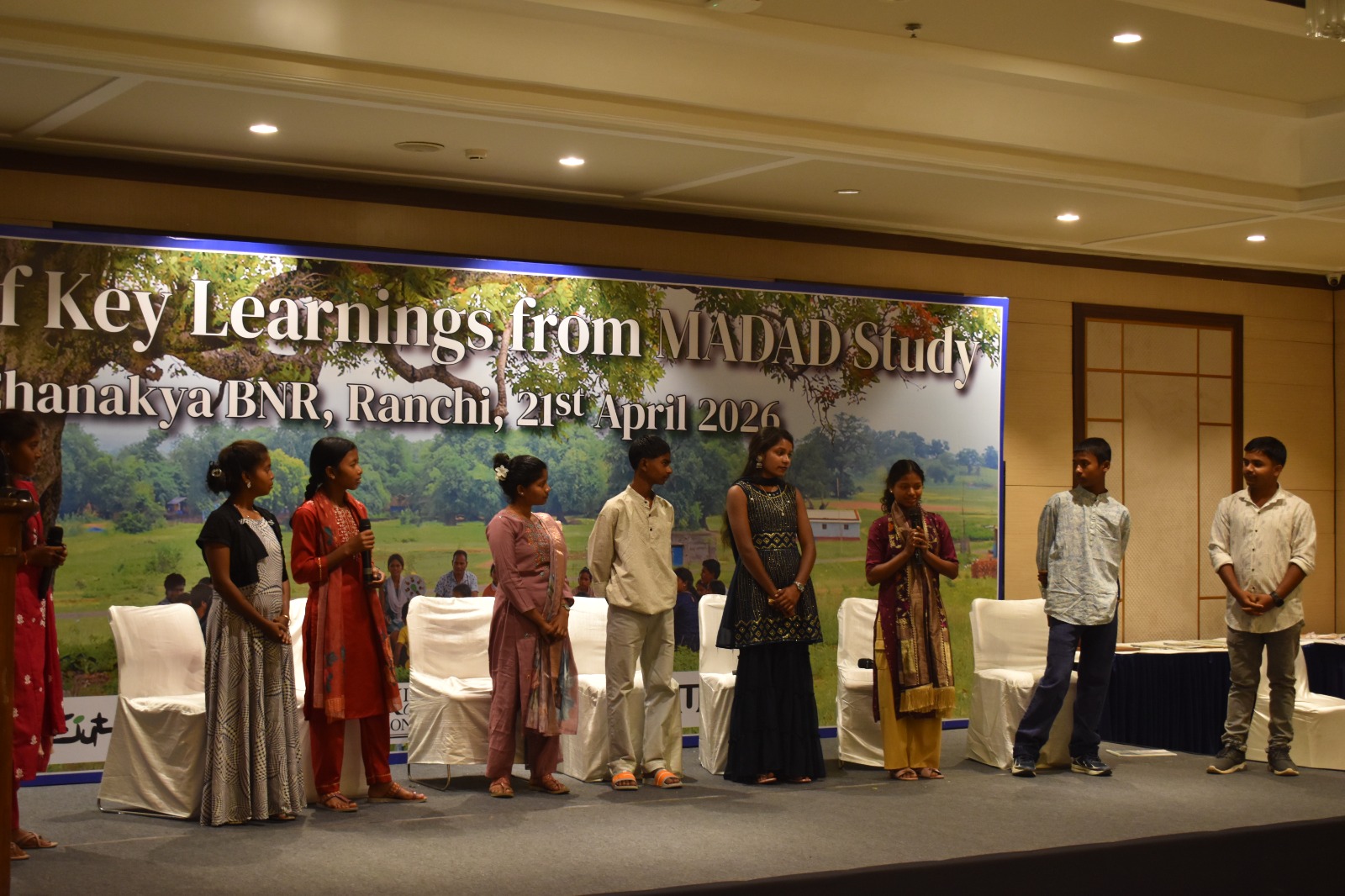
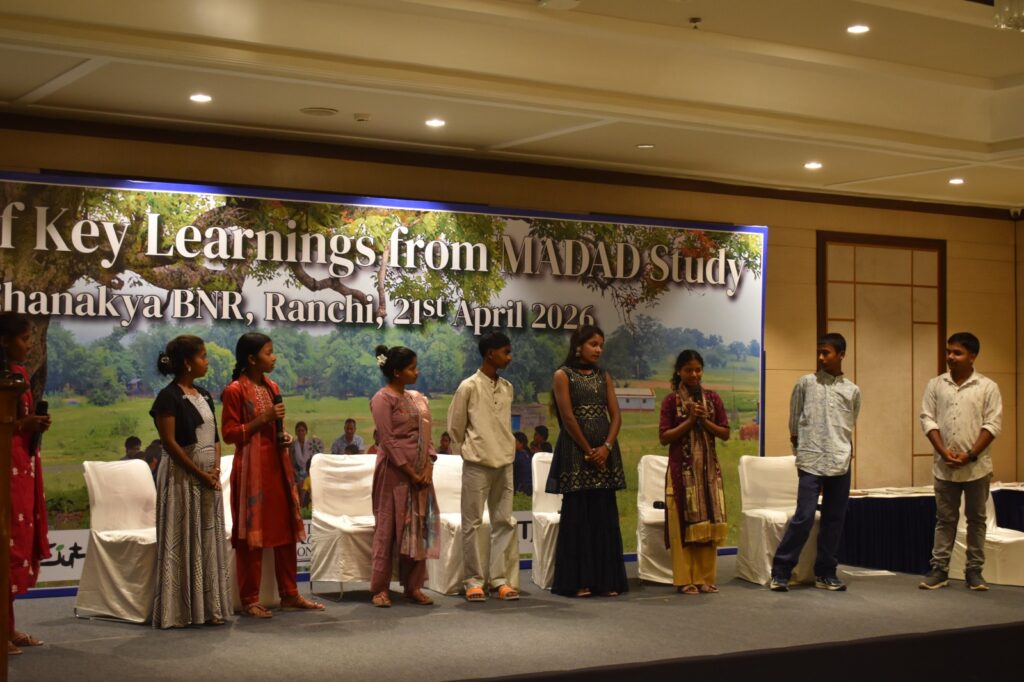
This meant co-creating interventions with adolescents, listening to their priorities, and ensuring their voices that shape decisions at every stage. Our operational strategy was simple and non‑negotiable: “Nothing about us, without us.” The contributions made by the adolescents from rural district of West Singhbhum in presenting their efforts over the last three years was commendable.
Leave a Reply